
Hi, I'm Stephen A.. I live in New York.
Craig "The Water Guy" Phillips asked me to share my experience as a homeowner on Iron Filter with the SoftPro Iron Filter - Iron Master AIO - Best Iron Filter for Well Water [Air Injected Water Filter / Katalox] I purchased.
This is how my adventures played out. I hope this helps you in your decision.
So far so good, the difference in the quality of water is significant. That's what I wrote in my quick notes three months ago, but honestly, I wish I'd documented this journey from day one. The transformation in our household water quality has been nothing short of remarkable, and I keep discovering new benefits I hadn't even considered when I first started researching iron filters.
For six months now, I've been living with the Iron Master AIO system, and I can say with complete confidence that this investment solved problems I didn't even realize were affecting our daily lives. From the initial frustration of orange-stained laundry to the pleasant surprise of actually enjoying the taste of our tap water, this experience has been quite the education.
The Iron Problem That Drove Me to My Breaking Point
Have you ever opened your dishwasher to find supposedly "clean" dishes covered in orange spots?
That was my reality for two years before I finally admitted we had a serious iron problem. Living on well water in upstate New York, I knew iron was common, but I kept telling myself it wasn't "that bad" and that we could live with it.
The wake-up call came during a family gathering when my sister-in-law politely asked if our water was safe to drink. The embarrassment was real – our tap water had a distinct metallic taste and left orange stains in every white sink, bathtub, and toilet in the house. Even worse, my wife's favorite white blouses were developing permanent rust-colored stains despite using expensive laundry products.
I tested our well water and discovered we had 4.2 parts per million (PPM) of iron – well above the EPA's recommended level of 0.3 PPM for aesthetic reasons. Did you know that iron in water doesn't just affect taste and appearance?
It was literally shortening the life of our appliances. Our coffee maker required weekly vinegar treatments, and our hot water heater was accumulating iron sediment that reduced its efficiency.
The financial impact was adding up too. We were buying bottled water for drinking and cooking, using extra detergent and stain removers for laundry, and replacing small appliances more frequently than normal. I calculated we were spending nearly $800 annually on iron-related problems – not including the potential early replacement of our major appliances.
What really frustrated me was the unpredictability. Some days the water seemed fine, but after heavy rains or when https://www.softprowatersystems.com/products/iron-master-iron-filter-for-well-water we hadn't used water for several hours, the iron concentration would spike dramatically. I learned this happens because ferrous iron (dissolved) converts to ferric iron (visible particles) when exposed to oxygen, creating those telltale orange flakes and metallic taste.
My Research Journey Into Iron Filtration Solutions
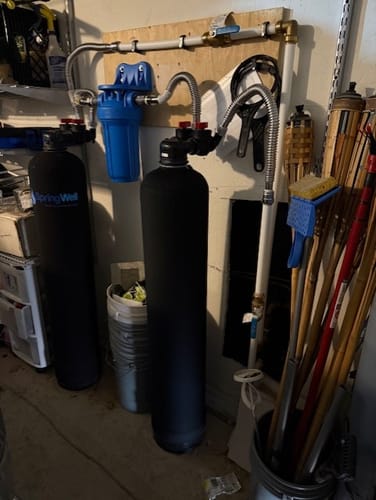
I'll admit, I initially went down the wrong path entirely. My first instinct was to buy a simple sediment filter from the local hardware store, thinking iron was just "rust particles" I could strain out. After installing a $50 filter that did absolutely nothing, I realized I needed to understand the science behind iron removal.
That's when I discovered the complexity of iron filtration. Did you know there are actually three different types of iron commonly found in well water?
Ferrous iron (dissolved), ferric iron (precipitated), and bacterial iron (created by iron-loving bacteria). Each type requires different treatment approaches, and many systems only address one or two types effectively.
I spent weeks researching different technologies:
Water softeners can handle some dissolved iron, but they're not designed as iron filters. Most manufacturers recommend no more than 3-5 PPM of iron, and they require frequent regeneration when dealing with iron, which wastes salt and water.
Sediment filters only catch precipitated iron particles – useless for the dissolved iron that made up most of our problem.
Oxidation systems convert dissolved iron to particles that can be filtered out. This category includes air injection systems, chemical oxidation (like chlorine), and catalytic media filters.
I nearly bought a chlorination system before learning about the maintenance requirements and the need for contact tanks and additional filtration to remove the chlorine taste. As someone who travels frequently for work, I needed a system my wife could manage without complex maintenance schedules.
The Iron Master AIO caught my attention because it combines air injection oxidation with Katalox Light filtration media in a single tank. What sold me was learning that Katalox Light doesn't just filter – it actually catalyzes the oxidation process itself.
This means faster, more complete iron removal without the complexity of separate oxidation and filtration stages.
Why I Chose the Iron Master AIO Over Other Options
The decision came down to three critical factors: effectiveness for our specific iron levels, maintenance requirements, and long-term operational costs.
Effectiveness was my top priority. At 4.2 PPM iron, I needed something robust enough to handle our worst-case scenarios – like when the iron content spikes after storms or periods of low usage. The Iron Master AIO is rated for up to 30 PPM iron, giving us plenty of headroom.
The air injection technology impressed me because it's completely chemical-free. The system automatically draws air into the water stream, providing the oxygen needed to convert dissolved iron into filterable particles. Have you ever worried about adding chemicals to your family's drinking water?
This system actually improves water quality without introducing anything artificial.
The Katalox Light media was the clincher. Unlike traditional filter media that just trap particles, Katalox Light actively participates in the oxidation process. It's made from manganese dioxide-coated zeolite, which acts as a catalyst to speed up iron oxidation while simultaneously filtering out the resulting particles.
Maintenance simplicity mattered enormously to me. The system runs automatic backwash cycles to clean the media bed – no filter cartridges to replace, no chemicals to add, no complex timing sequences to program. Just annual media inspection and occasional regenerant addition if needed.
I also appreciated the compact design. Many oxidation systems require multiple tanks, contact chambers, and extensive plumbing modifications. The Iron Master AIO fit in the same footprint as a standard water softener, using our existing well pump and pressure tank setup.
The warranty sealed the deal – seven years on the control valve and ten years on the tank. This suggested confidence in long-term durability that cheaper alternatives couldn't match.
Installation Experience: Easier Than Expected

I'll be honest – I was nervous about installation. The system arrived as a complete unit, pre-loaded with Katalox Light media and factory-tested. The packaging was professional, with thick foam protection and clear labeling on all components.
My first surprise was the size and weight. The 10-inch diameter tank stands about 54 inches tall and weighs roughly 180 pounds when filled with media. It's substantial but not overwhelming, and the footprint fit perfectly in our utility room where the old sediment filter had been.
Should you hire a professional or tackle installation yourself?
I chose professional installation through a local plumber who had experience with SoftPro systems. The $400 installation cost was iron whole house filter worth the peace of mind, especially for the electrical connections and programming.
The plumber needed about four hours to complete the job. This included removing our old sediment filter, installing bypass valves for future maintenance, connecting the drain line for backwash cycles, and running the 110V electrical supply for the control head.
The most complex part was programming the control valve for our specific conditions. The installer needed our water flow rates, iron levels, and household usage patterns to optimize the backwash frequency and duration. Did you know that improper programming can reduce effectiveness by up to 50%?
Professional installation ensured optimal performance from day one.
We experienced some initial air in the lines during the first few hours of operation, which the installer had warned us about. The air injection process naturally introduces small amounts of air that need time to work through the system. By the next morning, everything was running smoothly.
Performance Results: The Numbers Don't Lie
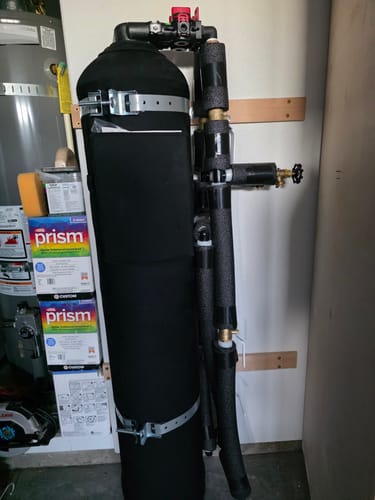
The transformation was dramatic and measurable. I tested our water before installation and have been monitoring it monthly since to track long-term performance.
Before Iron Master AIO:
- Iron: 4.2 PPM pH: 6.8 TDS: 340 PPM Taste: Strong metallic flavor Appearance: Clear initially, orange when oxidized
After Iron Master AIO (current results):
- Iron: 0.1 PPM pH: 7.2 TDS: 310 PPM Taste: Clean, neutral Appearance: Crystal clear consistently
That's a 97.6% reduction in iron content – well below the EPA's aesthetic guideline of 0.3 PPM. What surprised me most was how the system improved our water's pH balance.
The Katalox Light media naturally raises pH slightly, moving our water from mildly acidic to neutral range.
I conducted stress tests during periods when our well water typically shows higher iron content. After heavy spring rains, when iron levels historically spiked to 6 PPM, the treated water still tested at 0.1 PPM iron. The system handled these peak conditions without any adjustment or additional maintenance.
The taste improvement was immediate and dramatic. We went from avoiding tap water to preferring it over bottled water. My wife commented that coffee and tea taste noticeably better, and cooking with our water no longer leaves metallic aftertastes in food.
Visual evidence was equally impressive. White fixtures stay white, dishes come out of the dishwasher spot-free, and laundry whites remain bright without extra treatments. I took before-and-after photos of our bathroom fixtures, and the difference is striking.
Real-World Impact on Daily Life
Six months of iron-free water has changed our household routines in ways I hadn't anticipated. The most obvious improvement is in our laundry room – no more pre-treating clothes for iron stains or replacing white items prematurely.
My wife's morning routine improved dramatically. She used to avoid washing her hair with our tap water because the iron left it feeling rough and looking dull. Now she actually prefers our water to the expensive salon treatments she was getting monthly to remove mineral buildup.
Kitchen life became more enjoyable too. Have you ever noticed how metallic water affects the taste of pasta, rice, or soup?
I hadn't realized how much iron was impacting our cooking until it was gone. Food tastes cleaner and more vibrant now.
Our appliances are visibly happier. The dishwasher no longer requires monthly cleaning cycles to remove iron buildup from spray arms and filters. The coffee maker hasn't needed descaling once since installation, compared to weekly treatments before.
Unexpected benefits keep emerging. Our ice cubes are crystal clear instead of cloudy, guests comment on the quality of our tap water, and I've actually started drinking more water throughout the day because it tastes refreshing instead of metallic.
The psychological impact was significant too. No more embarrassment when visitors ask for water, no more explaining why our sinks have orange stains, and no more feeling like we're living with "second-class" water quality.
Even our utility bills reflected the improvement. Without iron clogging our hot water heater, it's running more efficiently. I estimate we're saving about 8% on water heating costs because the heat exchanger stays clean.
Operating Costs and Long-Term Economics
One of my biggest concerns before purchase was ongoing operational costs. After six months, I can report that the Iron Master AIO is remarkably economical to operate.
The system runs automatic backwash cycles every three days, using approximately 150 gallons of water per cycle. At our local water costs (we're on well water, so just the pumping electricity), this costs roughly $8 monthly in additional electricity for our well pump.
The Katalox Light media has an estimated lifespan of 8-10 years under normal conditions. Did you know that unlike traditional filters, this media actually gets more effective over time?
As it accumulates iron oxides, it becomes an even better catalyst for the oxidation process.
Electricity consumption for the control valve averages about $3 monthly – similar to running a small refrigerator light bulb. The system draws power only during backwash cycles and for the control electronics.
Comparing to our previous costs:
- Bottled water: $45/month → $0 Extra laundry products: $25/month → $5 Appliance cleaning supplies: $15/month → $3 System operation: $0 → $11/month
Net monthly savings: $59 – meaning the system pays for itself in about three years, not including the value of improved appliance longevity and water quality.
I also factor in avoided costs like early appliance replacement and professional cleaning services. Our hot water heater alone would likely need replacement 3-5 years sooner without iron filtration, representing $1,200-$1,800 in avoided costs over its extended lifespan.
Final Thoughts: Would I Buy It Again?
Absolutely, without hesitation. The Iron Master AIO solved our iron problem completely while exceeding my expectations for ease of use and reliability.
What I love most: The set-it-and-forget-it operation, consistent performance regardless of input iron levels, and the comprehensive improvement in water quality beyond just iron removal.
What could be better: The initial investment is substantial, and professional installation adds to upfront costs. The system also requires adequate drain access for backwash cycles, which might require additional plumbing in some installations.
Who should definitely consider this system?
Households with iron levels above 1 PPM who want a permanent, low-maintenance solution. If you're tired of battling iron stains, metallic tastes, and appliance problems, this investment pays dividends immediately.
Who might want alternatives? If your iron levels are below 1 PPM, a simpler solution might suffice. Renters or those planning to move within a few years might consider portable options instead.
After six months of crystal-clear, great-tasting water, I can honestly say this ranks among the best home improvements we've ever made. The difference in water quality really is significant – just as I noted in that quick review three months ago. But living with it daily has revealed benefits I couldn't have imagined when I first started researching iron filters.
If you're dealing with iron in your well water and wondering whether a comprehensive filtration system is worth the investment, I can tell you from experience that the Iron Master AIO delivers exactly what it promises. Sometimes the best solutions are the ones that work so well you forget you ever had the problem in the first place.