
Hi, I'm Randy W.. I live in Wisconsin. Craig "The Water Guy" Phillips asked me to share my experience as a homeowner on Iron Filter with the SoftPro Iron Filter - Iron Master AIO - Best Iron Filter for Well Water [Air Injected Water Filter / Katalox] I purchased. This is how my adventures played out. I hope this helps you in your decision.
Did you know that iron contamination affects over 25 million American households relying on well water?
I learned this statistic the hard way after moving to my Wisconsin property last fall. What started as occasional rusty stains quickly escalated into a full-blown water crisis that affected everything from my morning coffee to my white laundry. After six months of living with the SoftPro Iron Master system, I'm finally ready to share the complete truth about this investment. The transformation has been remarkable, but the journey wasn't without its learning curves. From the initial installation challenges to discovering optimal maintenance routines, I'll walk you through every aspect of owning this system. Whether you're dealing with ferrous iron, hydrogen sulfide, or the dreaded combination of both, this detailed account will help you understand what to expect.The Iron Problem That Changed Everything
My well water tested at 8.2 PPM iron when I first moved in—nearly three times the EPA's recommended maximum of 0.3 PPM. The previous homeowner had somehow managed to live with it, but I quickly realized why the asking price had been so reasonable. Every fixture told the same story of neglect. Orange stains streaked down toilet bowls, shower walls bore rust-colored deposits, and my stainless steel appliances looked perpetually dirty despite constant cleaning. The metallic taste made drinking water unpleasant, and I found myself buying bottled water for everything from cooking to coffee. But the real wake-up call came three weeks after moving in. My new washing machine—a $1,200 front-loader I'd splurged on—started leaving rust stains on white clothes. Research revealed that iron bacteria were likely colonizing in my water heater and plumbing system, creating biofilm that would only worsen over time. The estimated cost of replacing stained fixtures and potentially damaged appliances made investing in proper filtration seem like a bargain. Iron contamination occurs when groundwater passes through iron-bearing rock and soil, dissolving ferrous iron into the water supply. In Wisconsin's mineral-rich geology, this process is particularly common. The ferrous iron remains invisible until it contacts oxygen, oxidizing into the familiar rusty ferric iron that stains everything it touches. I tested various stop-gap solutions first. Water softeners help with some minerals but aren't designed for iron removal beyond 3-4 PPM. Cartridge filters clogged within days at my iron levels, becoming expensive and ineffective quickly. Chlorine injection systems seemed promising but required ongoing chemical purchases and careful monitoring.Research Phase: Understanding Iron Filtration Technology
Unboxing and Initial Setup Preparation
The Iron Master arrived on a freight truck three weeks after ordering, packaged on a wooden pallet with protective wrapping. The 54-inch tall tank commanded respect—this wasn't a countertop gadget but serious water treatment equipment weighing approximately 180 pounds when filled. Inspecting the components revealed quality construction throughout. The fiberglass tank felt solid and professional, with clearly labeled connections and a substantial-looking control head. The Katalox media came in sealed bags with detailed documentation about proper loading procedures. The installation manual immediately caught my attention for its thoroughness. Unlike typical appliance instructions, this 32-page document covered everything from site preparation to troubleshooting common issues. Detailed diagrams showed proper plumbing configurations, electrical requirements, and drain connections with specific recommendations for different installation scenarios. Pre-installation preparation required more space planning than anticipated. The system needed 18 inches of clearance on all sides for service access, plus consideration for the air injection pump and electrical connections. My basement utility room required some reorganization to accommodate everything properly. The included bypass valve kit simplified future maintenance significantly. High-quality brass fittings and detailed connection diagrams made it clear that SoftPro expected professional-grade installations. Having the bypass system meant I could service the unit without shutting off water to the entire house.Installation Experience and Setup Challenges

Performance Testing and Measurable Results
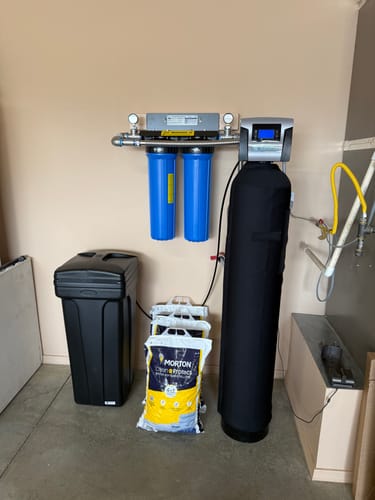
Daily Living Impact and Household Benefits
The transformation in daily water quality created improvements I hadn't fully anticipated. Beyond eliminating iron stains and odors, the system delivered subtle but meaningful quality-of-life enhancements throughout the household. Laundry results improved dramatically within the first week. White clothes regained their brightness without additional bleaching products. Colors appeared more vibrant, and fabrics felt softer overall. My wife noticed that her delicate items lasted longer without the mineral damage that had been shortening garment life. Kitchen activities became more enjoyable with better-tasting water. Ice cubes no longer carried metallic flavors, and cooking with treated water enhanced food flavors noticeably. Pasta water stayed clear instead of developing the yellow tint I'd grown accustomed to. Bathroom maintenance requirements decreased significantly. Weekly scrubbing of iron stains became unnecessary, and fixtures maintained their appearance with normal cleaning routines. Shower doors stayed clearer longer, and toilet bowls no longer developed persistent orange streaks. Unexpected benefits emerged in appliance performance and longevity. My water heater operates more efficiently without iron buildup insulating the heating elements. The dishwasher's interior components stay cleaner, and I've eliminated the monthly cleaning cycle that was previously necessary. Guests immediately notice the improvement when visiting. Several neighbors have asked about our system after experiencing the difference in water quality. One friend, a plumber, commented that our fixtures looked remarkably clean for a house on well water.Operational Costs and Long-Term Economics
Analyzing the Iron Master's operating costs reveals a favorable long-term economic picture compared to alternative solutions. The system's primary expenses include electricity for the control head and air pump, plus water usage during regeneration cycles. Electrical consumption averages approximately $3-4 monthly based on my utility rates. The air injection pump runs only during treatment cycles, while the control head maintains minimal standby power consumption. These costs pale compared to the previous expense of bottled water and frequent cleaning products. Water usage during regeneration represents the largest ongoing operational cost. Each backwash cycle consumes roughly 100 gallons, occurring every 4-5 days in my household. At Wisconsin's average water rates for well owners (considering electricity for pumping), this represents approximately $15-20 monthly in additional water and power costs. Comparing total costs to alternatives reveals significant savings over time. Bottled water for drinking and cooking was costing $60-80 monthly. Professional water delivery services quoted $150 monthly for whole-house quality water. Even basic iron removal systems with ongoing chemical costs typically run $40-60 monthly. The Katalox media replacement represents the system's major long-term expense. Manufacturer recommendations suggest replacement every 8-10 years under my water conditions, with costs around $400-500 for media plus professional service if desired. Amortized over the media life, this adds roughly $4-5 monthly to operating costs. Maintenance costs have been minimal during my six months of ownership. The system requires no ongoing consumables like salt, chemicals, or frequent filter replacements. Annual maintenance consists primarily of checking connections and verifying programming settings—tasks I handle myself in about 30 minutes. Return on investment calculations show the system paying for itself within 18-24 months compared to previous water quality expenses. Factor in the prevented damage to appliances and fixtures, and the payback period shortens considerably.